
When Is Tooth Pain an Emergency? Signs You Need a Dentist ASAP
Tooth pain can range from a mild annoyance to severe, unbearable discomfort — but how do you know when it’s actually an emergency?
If you’re in Barnehurst, Bexley, or the surrounding areas, understanding the difference could save your tooth — and prevent serious complications.
In this guide, we’ll explain exactly when tooth pain becomes urgent, what signs to look for, and what to do next.
If you think you need an emergency dentist in the Barnehurst, Erith, Bexley, Sidcup Dartford, Belvedere, Bexleyheath, Welling, Crayford, Dartford, Northumberland Heath,, Bexley Village, call us now on 01322 950365 or email us on info@barnehurstdentists.co.uk

What Counts as a Dental Emergency?
A dental emergency is any issue involving your teeth or gums that:
- Causes severe pain
- Involves infection or swelling
- Risks permanent damage if not treated quickly
If you’re unsure, it’s always safer to contact a local dentist as soon as possible.
7 Signs Your Tooth Pain Is an Emergency
1. Severe, Persistent Tooth Pain
If your toothache:
- Doesn’t go away
- Gets worse over time
- Keeps you awake at night
This could indicate:
- Tooth infection (abscess)
- Nerve damage
- Advanced decay
You should seek urgent dental care in Barnehurst immediately.
What Is a Dental Abscess?
A dental abscess is a pocket of infection caused by bacteria, usually forming at the root of a tooth or in the surrounding gums. It is a common cause of severe tooth pain and should always be treated as urgent.
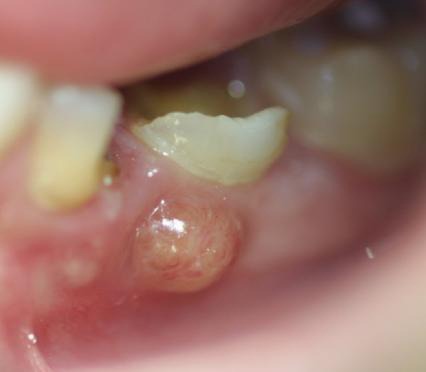
Common signs:
- Severe, throbbing tooth pain
- Swelling in the face, jaw, or gums
- A bad taste in the mouth or pus around the tooth
- Fever or generally feeling unwell
Why it is serious:
- The infection will not go away on its own
- It can spread to nearby teeth, bone, and other areas of the body
What to do:
- Contact a dentist as soon as possible
- Do not ignore symptoms, even if the pain eases
If you suspect a dental abscess in Barnehurst or nearby areas, it is important to seek treatment quickly to prevent complications. Get in touch here.
2. Swelling in the Face or Jaw
Swelling is one of the biggest red flags.
If you notice:
- Puffy cheeks
- Swollen gums
- Tightness in your jaw
This could be a dental abscess, which can spread if untreated.
3. Fever or Feeling Unwell
Tooth pain + fever = potential infection. If you are feeling unless with a fever call 111 immediately.
Signs include:
- High temperature
- Fatigue
- General illness
This is not something to ignore — infections can become serious quickly.
4. Sensitivity That Lingers
Tooth sensitivity is common, but not all sensitivity is harmless.
If you feel a quick, mild discomfort when eating or drinking something hot, cold, or sweet, it’s usually nothing serious. However, if the pain is sharp, intense, or lingers after the trigger is gone, it could be a sign of a deeper problem.
When sensitivity becomes a concern:
- Pain lasts more than 20–30 seconds after hot or cold exposure
- The sensation feels sharp, deep, or difficult to ignore
- It starts suddenly or gets worse over time
- It affects one specific tooth rather than general sensitivity
What could be causing it:
- Tooth decay reaching the inner layers of the tooth
- A cracked or damaged tooth exposing the nerve
- Worn enamel or receding gums
- Early stages of infection or nerve inflammation
When to act:
If sensitivity is persistent or worsening, it’s best to have it checked as soon as possible. What starts as mild sensitivity can quickly develop into severe pain if the nerve becomes affected.
If you’re experiencing ongoing tooth sensitivity in Barnehurst or nearby areas, booking an early appointment can help prevent the need for more complex treatment later on. Contact us here.
5. Bleeding or Injured Gums
If you have:
- Uncontrolled bleeding
- Trauma to the mouth
- Gum swelling with pain
You may need emergency dental treatment.
6. Broken, Cracked, or Knocked-Out Tooth
Accidents happen — but time is critical.
- A knocked-out tooth can sometimes be saved if treated within 1 hour
- Cracks can expose nerves → severe pain
7. Bad Taste or Pus in the Mouth
This is a strong sign of infection.
You might notice:
- A bad taste that won’t go away
- Pus around the tooth
- Swelling + pain
This requires urgent treatment.
When Tooth Pain Is NOT an Emergency
Not all tooth pain needs immediate care.
You can usually wait if:
- Pain is mild and occasional
- It goes away quickly
- There’s no swelling or infection
Still book a check-up — small issues can turn serious fast.
What To Do If You Have Tooth Pain in Barnehurst
If you’re experiencing tooth pain:
Do:
- Rinse with warm salt water
- Take over-the-counter pain relief
- Keep the area clean
Don’t:
- Ignore swelling
- Apply heat (can worsen infection)
- Delay treatment if symptoms are severe
Emergency Dentist in Barnehurst – When to Call
You should contact an emergency dentist immediately if you have:
- Severe pain
- Swelling
- Signs of infection
- Trauma to the tooth
At Barnehurst Dentists, we offer:
- Same-day emergency appointments
- Fast pain relief
- Expert care for urgent dental issues
How to Prevent Tooth Pain Emergencies
Prevention is key:
- Regular dental check-ups
- Good oral hygiene
- Early treatment of small issues
Catching problems early can save you pain — and money.
FAQs Dentists in Barnehurst
Can tooth pain go away on its own?
Sometimes — but the underlying issue usually remains and can worsen.
How long should I wait before seeing a dentist?
If pain lasts more than 1–2 days, get it checked.
Is a tooth infection dangerous?
Yes — untreated infections can spread and become serious.
Can I go to A&E for tooth pain?
Only in severe cases (e.g. swelling affecting breathing). Otherwise, contact a dentist.
