Dental Crowns in Barnehurst
Dental Crowns and Bridges
Both dental crowns and dental bridges are fixed dental restorations used to restore damaged or missing teeth. Unlike removable appliances such as dentures, which can be taken out for cleaning, crowns and bridges are permanently cemented onto natural teeth or dental implants.
These restorations help restore the strength, function and appearance of your smile, allowing you to eat and speak comfortably.
What Is a Dental Crown?
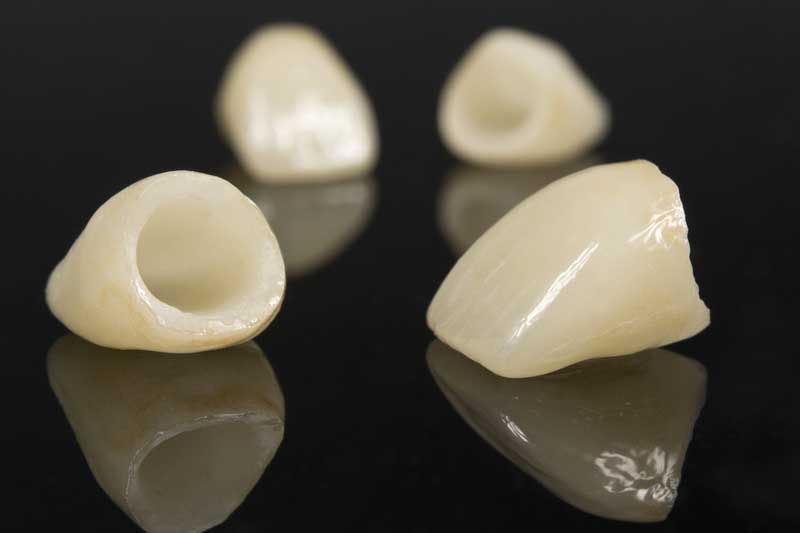
A dental crown is a custom-made cap placed over a tooth to restore its shape, strength and appearance. Crowns are commonly recommended when a tooth is weakened or damaged and needs additional protection.
Crowns may be used to:
- Protect a badly decayed or fractured tooth
- Strengthen a tooth with a large filling
- Protect a tooth after root canal treatment
- Improve the appearance of teeth with irregular shape, spacing, or severe discolouration
By covering the entire visible part of the tooth, crowns help restore normal function while improving the overall look of your smile.
What Is a Dental Bridge?
A dental bridge is used to replace one or more missing teeth. It works by filling the gap where teeth are missing and restoring both function and appearance.
The teeth on either side of the gap act as anchors, known as abutment teeth, while the replacement tooth in the middle is called a pontic.
Dental bridges help to:
- Restore your ability to chew and speak properly
- Maintain the shape of your face
- Prevent surrounding teeth from moving out of position
Assessment and Treatment Planning
Before recommending a crown or bridge, the dentist will carry out a thorough clinical examination, which may include dental X-rays. This allows the dentist to assess the condition of your teeth and determine whether a crown or bridge is the most suitable treatment.
Your dentist will explain:
- The most appropriate material for your restoration
- The treatment process
- Any alternative options available
- How to care for your restoration after treatment
The Crown or Bridge Procedure
Treatment for crowns and bridges typically takes two appointments.
Preparation Appointment
During the first visit, the tooth or teeth will be carefully prepared by reducing their size to create space for the crown or bridge. Impressions of your teeth are then taken and sent to a dental laboratory, where skilled technicians create the custom restoration.
A temporary crown or bridge is fitted to protect the prepared teeth while your permanent restoration is being made.
Fitting Appointment
At the second appointment, the temporary restoration is removed and the prepared teeth are cleaned. The dentist will carefully check the fit, bite and appearance of the new crown or bridge before permanently cementing it in place using dental cement.
Materials Used for Crowns and Bridges
Dental crowns and bridges can be made from several materials depending on the location of the tooth and the desired appearance.
Common materials include:
- Porcelain or ceramic, which can be colour-matched to natural teeth
- Gold or metal alloys, which offer exceptional strength
- Porcelain fused to metal, combining durability with a natural appearance
Metal or alloy crowns are often recommended for back teeth, where additional strength is required for chewing.
Caring for Your Crown or Bridge
Crowns and bridges are made from durable materials that are designed to last for many years. However, proper care is essential to maintain their longevity.
Good oral hygiene is key to protecting both the restoration and the supporting teeth. The underlying teeth are still susceptible to tooth decay and gum disease, which can weaken the restoration.
To keep your crown or bridge in good condition:
- Brush your teeth twice daily with fluoride toothpaste
- Floss daily to remove plaque between teeth
- Maintain regular visits to the dentist and hygienist
Regular dental examinations and professional cleaning help prevent problems, particularly around the margins where the crown or bridge meets the natural tooth, which is the most vulnerable area for plaque build-up.